
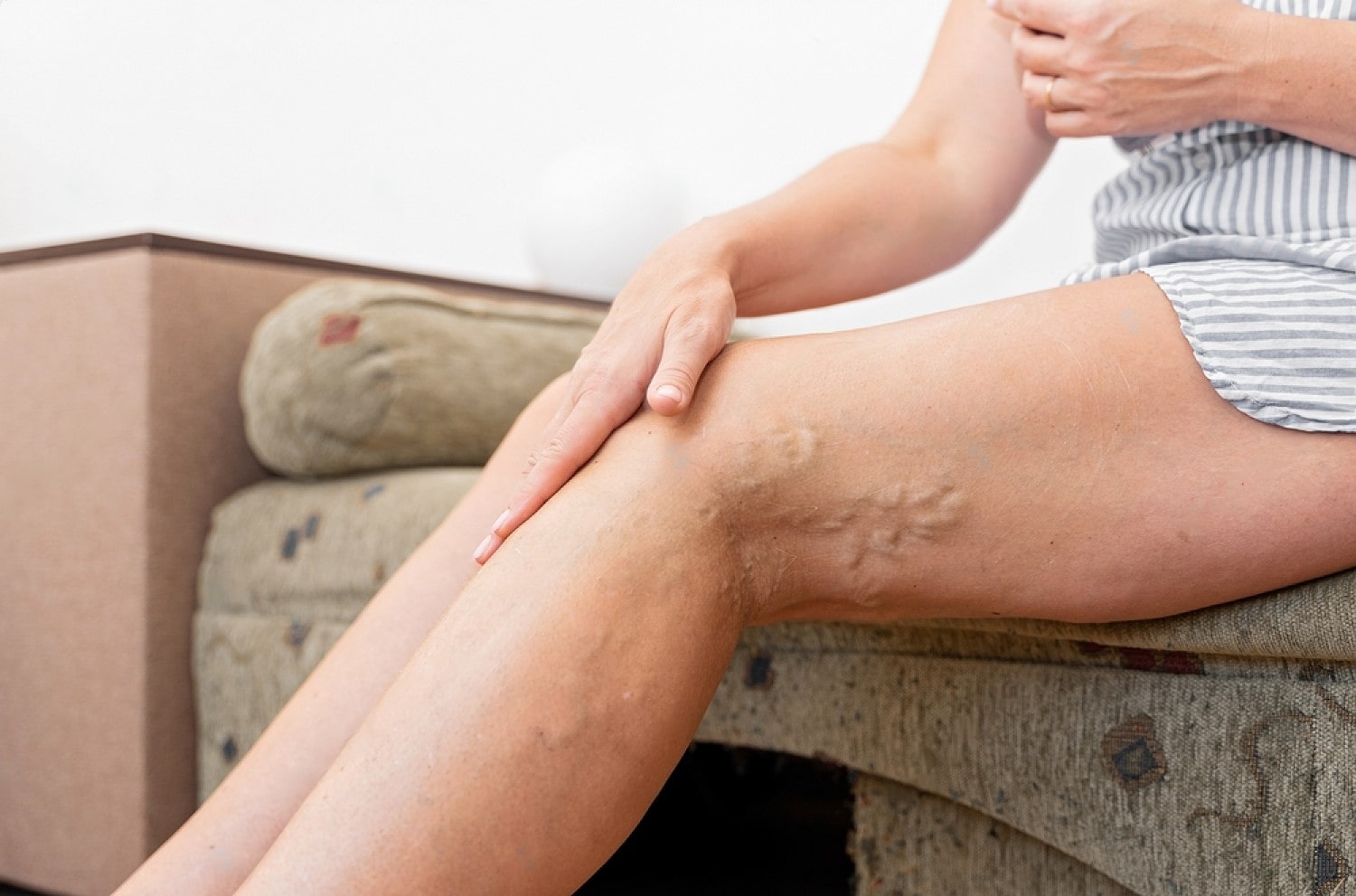
Leaving varicose veins untreated is not recommended because the damaged vein valves behind them do not heal on their own and often get worse over time.
A long-term study that followed adults for 13 years found that almost one in three people with varicose veins went on to develop skin changes from vein disease.
So the short answer is no. Varicose veins are a sign of a circulation problem, and the problem tends to progress.
Highlights:
- Varicose veins don't go away on their own. The valves inside the vein have failed, and blood keeps pooling in the leg.
- Most cases progress. In a 13-year population study, nearly half of people with vein disease got worse, and almost a third of those with varicose veins developed skin changes.
- Clot risk is higher. People with varicose veins had a DVT rate of 6.55 per 1,000 person-years, compared with 1.23 in people without them.
- Ulcers heal faster when the vein is treated early. In a randomized trial, early vein closure healed leg ulcers in a median of 56 days, versus 82 days when treatment waited.
- Treatment today is quick. Most closures happen in the office under local anesthesia, and patients usually walk out the same day.
- At TVI, a vein ultrasound shows exactly where the reflux is and what your options are.
In this article
- Is it okay to leave varicose veins untreated?
- What happens to varicose veins over time
- Why varicose veins get worse
- Warning signs that need prompt care
- Is it better to remove varicose veins or leave them?
- Is it worth fixing varicose veins?
- What treatment looks like today
- Getting checked at Texas Vascular Institute
- Frequently asked questions
Is it okay to leave varicose veins untreated?
It's not a good idea.
Varicose veins form when the one-way valves inside a leg vein stop closing properly. Blood that should travel up toward the heart flows backward and pools, and the vein stretches, twists, and bulges.
That backward flow is called reflux, and it's the root of chronic venous insufficiency. The valves don't repair themselves, so the pressure in the leg stays high for as long as the faulty vein stays open.
Exercise, leg elevation, and compression stockings can ease the aching, but none of them close the leaking vein.
What happens to varicose veins over time
Here is what the research shows about untreated vein disease, and what each problem looks like in real life.
| Complication | What you notice | What the research shows | What to do |
|---|---|---|---|
| Worsening symptoms | More aching, heaviness, swelling and night cramps | Nearly half of people with vein disease got worse over 13 years | Book a vein ultrasound |
| Skin changes | Brown staining, itchy or hardened skin near the ankles | Almost 1 in 3 people with varicose veins developed skin changes over 13 years | Treat the reflux behind them |
| Venous ulcers | An open sore near the ankle that won't heal | Early vein closure healed ulcers in a median of 56 days, versus 82 days when treatment waited | See a vein specialist promptly |
| Superficial blood clots | A painful, red, firm cord along a vein | Nearly 1 in 4 people with a superficial clot already had a DVT or lung clot at diagnosis | Get checked the same day |
| Deep vein thrombosis (DVT) | Swelling, pain and warmth in one leg | DVT rate of 6.55 per 1,000 person-years with varicose veins, versus 1.23 without | Call your doctor right away, and 911 for chest pain or trouble breathing |
| Bleeding | A vein near the skin bursts after a minor bump | Bleeding is one of the reasons insurers cover treatment, even for small veins | Lie down, raise the leg, press firmly, and call 911 if it won't stop |
The numbers come from four studies.
The 13-year Edinburgh Vein Study tracked vein disease in randomly selected adults.
A cohort of 212,984 adults with varicose veins compared clot rates against the same number of people without them.
A prospective study of 844 patients published in the Annals of Internal Medicine looked at superficial clots.
The randomized trial on early vein closure for leg ulcers enrolled 450 patients.
One caveat on the clot study: it shows a strong link, not proof that varicose veins cause DVT. "Overall, DVT is a rare condition," says Dr. Batra. But a higher baseline risk is one more reason to take swollen, painful legs seriously.
Why varicose veins get worse
Once one valve fails, the vein below it carries extra pressure. Over time, that pressure can stretch the next valve and the side branches off the main vein.
The Edinburgh researchers named the factors most tied to progression:
- Older age
- A family history of varicose veins
- A past deep vein clot
- Carrying extra weight
- Reflux in the superficial veins, especially the small saphenous vein behind the calf
The pressure also affects the skin. Fluid and blood cells leak into the tissue near the ankle, which is why untreated vein disease can lead to skin pigmentation, venous stasis dermatitis, and eventually venous ulcers.
Many patients don't connect these symptoms to their veins for years. "Too frequently we see patients who've been living with the uncomfortable symptoms of reflux for multiple years but have never been made aware that their leg veins are the culprit," says Dr. Batra.
One patient came to TVI at 50 with an open leg ulcer after nearly 10 years of cramping, pain and heaviness in both legs. "We suspect that a new ulcer had formed because her underlying vein disease had not been addressed," says Dr. Batra. After radiofrequency ablation and foam treatment, along with a wound specialist's care, the legs improved dramatically. "This is not an exceptional case by any means," Dr. Batra adds.
Warning signs that need prompt care
Red flags
- One leg suddenly swollen, painful, and warm. This can be a deep vein thrombosis and needs same-day care.
- Chest pain or trouble breathing. Call 911, since a blood clot can travel to the lungs.
- A hard, red, tender cord along a vein. A superficial clot can sit alongside a deeper one.
- A vein that bleeds. Thin skin over a bulging vein can break with a small bump.
- An open sore near the ankle. Venous ulcers heal faster once the leaking vein is closed.
- Skin that darkens, thickens or itches near the ankle. These are signs the pressure is damaging the skin.
Is it better to remove varicose veins or leave them?
For veins that cause symptoms, treatment is the better choice.
The 2022 national guidelines for varicose veins from the Society for Vascular Surgery, American Venous Forum, and American Vein and Lymphatic Society recommend vein treatment over compression stockings for patients who are candidates.
When the vein stays open, the reflux continues, while closing it reroutes blood through healthy veins and lowers the pressure in the leg.
Even if your veins don't bother you yet, a vein ultrasound shows whether reflux is present and how far it extends. That gives you a baseline and a clear answer on whether treatment makes sense now.
Is it worth fixing varicose veins?
For most people with symptoms, yes. Treatment relieves the aching and swelling, lowers the pressure that damages the skin, and heals ulcers faster.
In the leg ulcer trial, 85.6% of patients who had their vein closed early were healed at 24 weeks, compared with 76.3% of those who waited.
Recovery is short. In a randomized trial comparing four treatments, patients returned to normal activity in a median of 1 day after radiofrequency ablation.
And most insurance plans cover treatment when an ultrasound shows reflux and your symptoms affect daily life.
What treatment looks like today
Modern vein treatment happens in the office through a needle entry, under local anesthesia.
- Radiofrequency ablation closes the leaking vein with heat from a thin catheter.
- VenaSeal seals the vein with medical adhesive, with no heat.
- Varithena foam closes the vein and its bulging branches with no incisions.
- Ultrasound-guided sclerotherapy treats smaller branch veins with an injection.
Blood reroutes through healthy veins right away, and most patients walk out the same day. National guidelines recommend these closures over the older vein stripping surgery.
Getting checked at Texas Vascular Institute
Our vein specialists are led by Dr. Dev Batra, a double board-certified vascular and interventional radiologist with more than 15 years of experience. Your first visit includes a duplex ultrasound that maps where the reflux is and which treatment fits your veins.
If you're paying on your own, a consultation with ultrasound is $350. We accept most major insurance plans, and our team checks your benefits first.
Find us at three North Texas locations:
- Dallas: 8330 Meadow Rd, #100, Dallas, TX 75231
- Plano: 4716 Alliance Blvd, Suite 180, Plano, TX 75093
- Hurst: 809 West Harwood Rd, Suite 101, Hurst, TX 76054
Call 972-646-8346 to book with our varicose vein specialists.
Frequently asked questions
Can varicose veins go away on their own?
No. The valves inside a varicose vein have failed, and they don't repair themselves. Exercise, weight loss and compression stockings can ease symptoms, but the vein stays open and the reflux continues. Closing the vein is the only way to remove it, and treatment today is done in the office under local anesthesia.
What's the worst thing that can happen with varicose veins?
The most serious risks are blood clots, open leg ulcers and bleeding. People with varicose veins had a DVT rate of 6.55 per 1,000 person-years in a large study, versus 1.23 without them. A sudden swollen, painful leg needs same-day care, and chest pain or trouble breathing means calling 911.
Are varicose veins dangerous if they don't hurt?
Painless veins can still hide reflux that worsens over time. In a 13-year study, almost a third of people with varicose veins developed skin changes from vein disease. A duplex ultrasound shows whether reflux is present, so you know whether to treat now or keep an eye on it.
Is there a downside to removing varicose veins?
Side effects are usually minor: bruising, tenderness and temporary inflammation along the treated vein. In a UK trial of 798 patients, procedural complications occurred in 1% of patients after laser ablation and 7% after traditional surgery. Blood reroutes through healthy veins, so closing a diseased vein doesn't harm circulation.
What is the quickest way to get rid of varicose veins?
Minimally invasive vein closure is the fastest route. Radiofrequency ablation and VenaSeal close the leaking vein through a needle entry during a single office visit, and patients returned to normal activity in a median of 1 day after radiofrequency ablation in a randomized trial. Smaller branches may need a follow-up injection.
Do varicose veins come back after treatment?
A treated vein that stays closed does not come back. In a randomized trial, about 97% of treated saphenous veins were still closed 12 months after VenaSeal or radiofrequency ablation. New varicose veins can still form in other veins over time, so follow-up visits help catch them early.