
Yes, there are downsides to removing varicose veins, but with modern vein closure they're usually minor and short-lived.
The most common are bruising, tenderness, temporary numbness, and inflammation along the treated vein.
Serious problems are rare: in a review of 16,398 patients, deep vein clots occurred in 0.3% and lung clots in 0.1%. New varicose veins can also form later in other veins.
Highlights:
- Most side effects are mild. Tenderness, bruising and a pulling feeling along the treated vein usually settle within days to weeks.
- Numbness is the side effect to know about. It affected about 5% of legs after radiofrequency ablation in clinical trials, and it lasts longer in a small share of patients.
- Serious clots are uncommon. Deep vein clots followed 0.3% of heat-based vein closures in a review of 52 studies.
- Closing a vein doesn't hurt your circulation. Blood reroutes through healthy veins right away.
- Waiting has downsides too. In a study of patients on a long waiting list, 6.9% had a major problem like bleeding, phlebitis or an ulcer before treatment.
In this article
- Is there a downside to removing varicose veins?
- Common side effects and how long they last
- Serious risks: blood clots, burns and infection
- Does removing varicose veins hurt your circulation?
- Can varicose veins come back after treatment?
- Downsides of each treatment
- What recovery looks like
- The downside of leaving varicose veins untreated
- When removal doesn't make sense
- How to lower your risk
- Frequently asked questions
Is there a downside to removing varicose veins?
Yes, but most downsides are temporary and far milder than they were with old-style vein stripping.
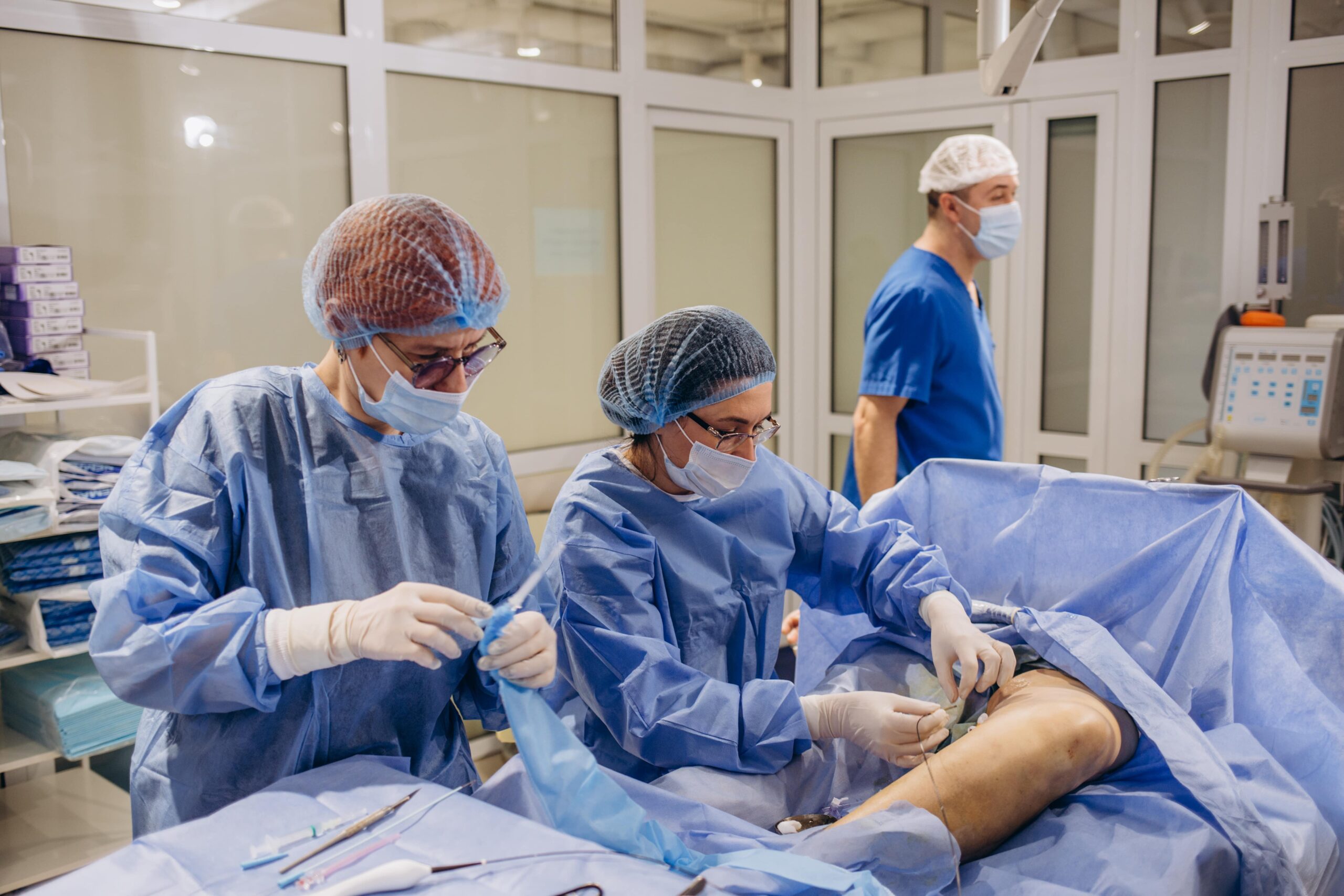
Today most varicose veins are closed from the inside through a needle entry, under local anesthesia, instead of pulled out through incisions.
The table below comes from a review of 17 randomized trials on vein treatment complications00053-X/fulltext) that compared radiofrequency ablation, laser ablation, and stripping surgery.
| Side effect | Radiofrequency ablation | Laser ablation | Stripping surgery |
|---|---|---|---|
| Temporary numbness or tingling | 5.2% | 3.8% | 7.4% |
| Inflamed, tender vein (thrombophlebitis) | 5.5% | 5.6% | 3.0% |
| Bruising | 3.1% | 34.5% | 36.1% |
| Hematoma (pooled blood under the skin) | 0.2% | 2.1% | 13.5% |
| Wound infection | 1.5% | 0.5% | 2.3% |
| Skin burn | 0.7% | 0.5% | Not applicable |
| Deep vein clot or lung clot | 0.5% | 0.4% | 0.7% |
The authors noted that most complications in these trials were benign and self-limited. They also noted that side effects tend to be underreported in trials, so the real rates may be a little higher.
Radiofrequency ablation had far less bruising and bleeding under the skin than laser or surgery, while all three had similar low rates of serious clots.
Common side effects and how long they last
The common side effects are tenderness, bruising, a tight or pulling feeling, and temporary numbness near the treated vein.
- Tenderness and tightness. The closed vein can feel like a firm cord for a few weeks while your body absorbs it. Walking helps.
- Bruising. It's more common after laser ablation and surgery than after radiofrequency ablation, and it fades on its own.
- Inflammation along the vein. Doctors call it thrombophlebitis. It shows up as a red, tender line and usually settles with walking and compression.
- Numbness or tingling. Heat or needles can irritate small skin nerves that run beside the vein, especially below the knee.
Numbness usually fades, but not always. In the laser trials from the review above, 12 of the 21 patients with numbness who had long-term follow-up still had it at two years. Specialists lower this risk by surrounding the vein with numbing fluid and limiting heat below the knee.
Serious risks: blood clots, burns and infection
Serious complications are uncommon, and the most important one to watch for is a blood clot.
A review of 52 studies and 16,398 patients looked at clots after heat-based vein closure:
- Deep vein thrombosis (DVT): 0.3%
- Pulmonary embolism (a clot in the lungs): 0.1%
- Clot extending from the closed vein toward a deep vein: 1.4%
That last one has a name: endovenous heat-induced thrombosis. It's a small clot at the top of the treated vein, and it's why a follow-up ultrasound is part of good vein care.
"Overall, DVT is a rare condition," says Dr. Batra. Still, call your specialist right away if one leg swells, aches, or feels warm after treatment, and call 911 for chest pain or trouble breathing.
Skin burns and infections are rarer still. Burns occurred in under 1% of legs in the trials, and wound infections were most common after surgery with incisions.
Does removing varicose veins hurt your circulation?
No. A varicose vein is already failing at its job, so closing it doesn't take away useful blood flow.
The leaking vein sends blood backward and lets it pool in your leg. Once it's closed, blood reroutes through the healthy veins nearby, which already carry most of the blood back to your heart.
Before treatment, your specialist checks the deep veins on ultrasound to make sure they're open and working. If they're blocked, the plan changes.
Can varicose veins come back after treatment?
A vein that stays closed doesn't come back, but a treated vein can reopen, and new varicose veins can form in other veins over time.
How well the vein stays closed depends on the method. In a randomized trial of 500 patients, the treated vein was still leaking at one year in:
- 4.8% of legs after radiofrequency ablation
- 5.8% after laser ablation
- 4.8% after stripping surgery
- 16.3% after foam sclerotherapy
Vein disease itself doesn't go away with treatment, so new veins can appear years later. Doctors even have a label for it, C2r, meaning recurrent varicose veins. Follow-up visits help catch them early, when a quick injection can take care of them.
Downsides of each treatment for varicose veins
Each treatment has its own trade-offs.
Radiofrequency ablation: Very little bruising in trials, but it needs several numbing injections along the vein, and numbness affected about 5% of legs.
VenaSeal: No heat and no numbing injections along the vein. In its main trial, 20% of patients had a mild inflammatory reaction along the vein, compared with 14% after radiofrequency ablation, a difference that wasn't statistically significant. The reaction was usually a pink, tender area on the inner thigh that faded over several days.
Laser ablation: Slightly less numbness than radiofrequency in trials, but much more bruising.
Foam sclerotherapy: No incisions and quick, but the main vein reopened more often at one year when foam was used alone. Ultrasound-guided sclerotherapy works best on smaller branch veins.
Microphlebectomy: Removes bulging surface veins through tiny nicks, so expect small marks that fade.
Stripping surgery: The most bruising, pooled blood and infection of the options in trials, and the longest recovery. National guidelines now recommend vein closure over stripping for most patients.
Minimally invasive treatments have "proven to provide patients with faster recovery time and lower complication rates than the surgical alternative," says Dr. Batra.
What recovery looks like
Recovery after vein closure is short. Most people walk out of the office and are back to normal activity within a day or two.
- Same day: You walk right after the procedure. Walking is part of recovery.
- First few days: Expect tenderness and some tightness along the vein. At TVI, we recommend compression stockings for 3 to 5 days after ablation.
- First weeks: The closed vein may feel firm or look like a faint line as it fades.
- Follow-up: An ultrasound confirms the vein is closed and checks for clots.
In the same 500-patient trial, people returned to normal activity in a median of 1 day after radiofrequency ablation, 2 days after laser, and 4 days after stripping surgery. Your specialist will tell you when to go back to hard workouts or heavy lifting.
The downside of leaving varicose veins untreated
Not treating varicose veins has its own risks, and they tend to grow over time.
A study of 275 patients who waited a median of 60 weeks for varicose vein treatment tracked what happened in the meantime:
- 6.9% had major harm, including phlebitis (3.6%), bleeding (1.8%) and leg ulcers (1.8%)
- 18.9% had minor harm, mostly worsening pain (12.7%) and swelling (6.2%)
- 6.9% reported psychological harm from the wait
Untreated reflux can also lead to skin changes, venous ulcers and a higher risk of deep vein thrombosis. For most people with symptoms, the risks of treatment are smaller than the risks of living with a leaking vein.
When varicose veins removal doesn't make sense
Treatment isn't the right call for everyone.
- During pregnancy. Leg veins widen naturally and often shrink after delivery, so treatment waits.
- With a blocked deep vein. A blocked deep vein or active deep clot changes the plan, which is why the ultrasound checks the deep veins first.
- For tiny spider veins only. They don't need vein closure. Surface sclerotherapy is usually enough.
- When the ultrasound shows no reflux. If the vein isn't leaking, closing it won't relieve symptoms, and the cause may lie elsewhere.
How to lower your risk of varicose veins
Most of what keeps varicose vein treatment safe happens with the specialist you choose and what you do afterward.
- Get a full duplex ultrasound first. It maps the leaking vein and checks your deep veins.
- Choose a practice with several methods. Matching the method to the vein lowers the chance of reopening or side effects.
- Walk every day after treatment. Moving your calf muscles keeps blood flowing.
- Wear your stockings as directed. They ease tenderness and swelling.
- Keep your follow-up scan. It's how small clots and incomplete closures are caught early.
- Report new swelling or pain. One swollen, warm, aching leg needs a call the same day.
Frequently asked questions
What are the long-term side effects of varicose vein removal?
Most side effects fade within weeks. The one that can last is numbness near the treated vein, which affected about 4% to 5% of legs after heat-based closure in clinical trials and persisted in some of them. New varicose veins may form in other veins over the years.
What is the safest procedure for varicose veins?
Minimally invasive vein closure is the safest option for most people. In clinical trials, radiofrequency ablation had the least bruising and pooled blood, and deep vein clots were rare with all heat-based methods. VenaSeal avoids heat and numbing injections. The right choice depends on your vein's size, shape, and depth on ultrasound.
Do veins grow back after vein stripping or ablation?
A closed or removed vein doesn't grow back, but a treated vein can reopen, and new varicose veins can develop in other veins. In a randomized trial, 4.8% of veins were leaking again at one year after radiofrequency ablation or stripping, compared with 16.3% after foam alone. Follow-up visits catch new veins early.
Can you die from varicose vein surgery?
Deaths from varicose vein treatment are extremely rare. The most serious risk is a blood clot that travels to the lungs, which occurred in 0.1% of patients in a review of 16,398 people after vein closure. A pre-treatment ultrasound, walking afterward and a follow-up scan all help lower that risk.
Is it worth it to get varicose veins removed?
For people with symptoms, treatment usually improves daily life. In a large UK trial that followed patients for five years, those treated with laser ablation or surgery reported greater gains in quality of life than those treated with foam alone. Recovery takes about a day, and many insurance plans cover treatment when an ultrasound shows reflux.
What to do next
Start with a standing duplex ultrasound. It shows whether your veins are leaking, which method fits them, and what side effects to expect for your specific legs.
At Texas Vascular Institute, our vein specialists are led by Dr. Dev Batra, a double board-certified vascular and interventional radiologist. A self-pay consultation with ultrasound is $350, and we accept most major insurance plans.
We treat varicose veins at three North Texas locations:
- Dallas: 8330 Meadow Rd, #100, Dallas, TX 75231
- Plano: 4716 Alliance Blvd, Suite 180, Plano, TX 75093
- Hurst: 809 West Harwood Rd, Suite 101, Hurst, TX 76054
Call 972-646-8346 to book.