
The best exercise for varicose veins is walking, followed closely by calf raises. Both work the calf muscle, which squeezes the leg veins and pushes blood back toward your heart. In a randomized trial, six months of calf-strengthening exercise improved how well the calf pumped blood out of the leg. Exercise eases aching and swelling, but it doesn't close a leaking vein.
Highlights:
- Your calf is a pump. Each time it contracts, it pushes blood up and out of your leg veins.
- Walking and calf raises do the most. They train the calf muscle directly and fit into any day.
- The research is promising but limited. Calf training improved calf pump function in one trial, while a 2023 review found too little evidence to confirm symptom relief.
- Low-impact beats high-strain. Heavy lifting with breath-holding and long periods standing still work against your veins.
- Exercise supports treatment. It won't repair a failed valve, so aching that doesn't improve deserves a vein ultrasound.
In this article
- Why exercise helps varicose veins
- The best exercises at a glance
- 1. Walking
- 2. Calf raises
- 3. Ankle pumps
- 4. Ankle circles
- 5. Cycling
- 6. Swimming and water walking
- 7. Leg lifts
- 8. Legs-up-the-wall elevation
- Exercises to avoid or modify
- Can exercise get rid of varicose veins?
- Exercising after vein treatment
- Frequently asked questions
Why exercise helps varicose veins
Exercise helps because your calf muscle does much of the work of moving blood out of your legs.
Leg veins have one-way valves that keep blood flowing toward your heart. In varicose veins, those valves leak, and blood pools in the leg. When your calf contracts, it squeezes the deep veins and pushes blood upward, taking some of the pressure off the leaking veins.
The strongest evidence comes from a randomized trial of calf-strengthening exercise in 31 people with advanced vein disease.
After six months of targeted calf exercise, the exercise group pumped more blood out of the leg with each contraction and had less blood left behind, while the control group got slightly worse.
The same trial found no change in quality-of-life or symptom scores, and a 2023 Cochrane review of exercise for vein disease concluded there wasn't enough evidence to confirm the benefits.
So exercise is a smart habit for your veins, and it works best alongside treatment, not instead of it.
The best exercises at a glance
| Exercise | Why it helps | Best for | Where you can do it |
|---|---|---|---|
| Walking | Works the calf pump with every step | Everyone | Anywhere |
| Calf raises | Strengthens the calf directly | Building calf strength | At home, at a counter |
| Ankle pumps | Keeps blood moving while seated | Desk jobs, flights, long drives | At your desk |
| Ankle circles | Improves ankle motion for a stronger pump | Stiff ankles | Seated or lying down |
| Cycling | Repeated calf and ankle motion, low impact | Joint pain | Stationary bike or outdoors |
| Swimming and water walking | Low impact, and you're horizontal while swimming | Joint pain, hot Texas days | Pool |
| Leg lifts | Works the legs without standing | Limited mobility | Lying down |
| Legs-up-the-wall | Lets gravity drain pooled blood | End of the day, swollen ankles | Floor or bed |
1. Walking
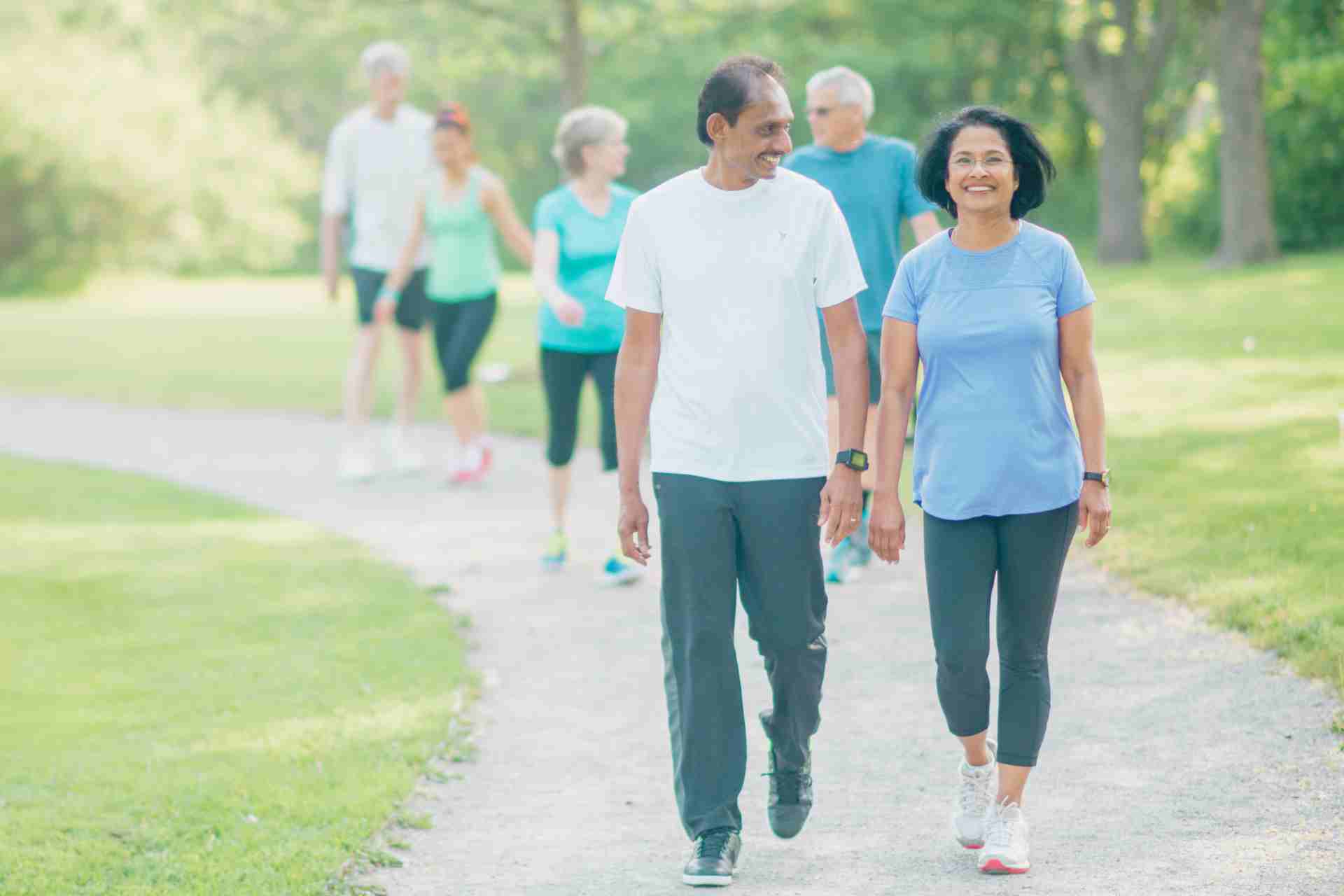
Walking is the best everyday exercise for varicose veins, because every step contracts your calf and pushes blood toward your heart.
How to do it:
- Walk at a comfortable, steady pace.
- Break it into short walks during the day if that's easier than one long one.
- Wear compression stockings if your legs ache on longer walks.
Tip: If you sit or stand at work, a few minutes of walking every hour helps more than one workout at the end of the day.
2. Calf raises
Calf raises strengthen the exact muscle that pumps blood out of your legs, which is why they're the closest match to the exercise tested in the calf-training trial.
How to do it:
- Stand with your feet hip-width apart, holding a counter or chair for balance.
- Rise slowly onto your toes.
- Pause at the top, then lower your heels slowly to the floor.
- Start with one set and add more as your calves get stronger.
Tip: Once regular calf raises feel easy, try them one leg at a time or with your heels off the edge of a stair.
3. Ankle pumps
Ankle pumps keep your calf working when you can't get up, which makes them ideal for desk jobs, flights and long drives.
How to do it:
- Sit with your feet flat on the floor.
- Point your toes up toward your shins, then press them down like pressing a gas pedal.
- Repeat several times in a row, a few times an hour.
Tip: Set a reminder on your phone during long workdays. Staying still for hours lets blood pool in your legs.
4. Ankle circles
Ankle circles loosen stiff ankles, and a flexible ankle lets the calf pump work through its full range.
How to do it:
- Lift one foot off the floor.
- Slowly draw circles with your toes, first clockwise and then counterclockwise.
- Switch feet.
Tip: Ankle motion matters. In a study of women tested in high heels, restricted ankle movement lowered how much blood the calf pumped out of the leg.
5. Cycling
Cycling works your calves and ankles over and over without the pounding of running.
How to do it:
- Use a stationary bike or ride outdoors at an easy to moderate pace.
- Push through the ball of your foot so your ankle moves with each pedal stroke.
- On the floor, "bicycle legs" while lying on your back works too.
Tip: A stationary bike is a good option in summer heat, since heat can make varicose veins swell.
6. Swimming and water walking
Swimming is easy on your joints, and you're horizontal, so your legs aren't working against gravity.
How to do it:
- Swim laps at a relaxed pace, using a steady flutter kick.
- Or walk in chest-deep water, which also works your calves.
Tip: Pools are one of the most comfortable ways to exercise with varicose veins during North Texas summers.
7. Leg lifts
Leg lifts work your legs while you're lying down, which suits people who can't stand for long.
How to do it:
- Lie on your back with one knee bent and the other leg straight.
- Lift the straight leg slowly, hold briefly, and lower it.
- Switch legs.
Tip: Add ankle pumps while your leg is raised to work the calf at the same time.
8. Legs-up-the-wall elevation
Raising your legs isn't a workout, but it's one of the fastest ways to ease swelling after a long day.
How to do it:
- Lie on the floor or bed with your hips near a wall.
- Rest your legs up the wall so your feet are above your heart.
- Stay there and relax.
Tip: Combine it with ankle pumps to help drain pooled blood even faster.
Exercises to avoid or modify
Most exercise is good for your veins, but a few habits work against them.
- Heavy lifting with breath-holding. Straining and holding your breath raises pressure in your abdomen and leg veins. If you lift weights, use lighter loads, keep breathing, and avoid bearing down.
- Long periods standing still. Workouts or jobs with a lot of static standing let blood pool. Shift your weight and move between sets.
- High-impact exercise that causes pain. Running and jumping work the calf, but if your legs ache or swell afterward, switch to cycling, swimming or walking.
- Exercising in heavy heat. Heat widens veins, so hot yoga and midday outdoor workouts can make swelling worse.
Can exercise get rid of varicose veins?
No. Exercise improves blood flow and eases symptoms, but it can't repair the failed valves inside a varicose vein.
The vein stays open, and the backward flow, called reflux, continues. That's the root of chronic venous insufficiency. If aching, heaviness or swelling keep coming back despite exercise, a vein ultrasound will show which vein is leaking.
"Too frequently we see patients who've been living with the uncomfortable symptoms of reflux for multiple years but have never been made aware that their leg veins are the culprit," says Dr. Batra.
Closing the leaking vein with radiofrequency ablation or VenaSeal takes one office visit, and blood reroutes through healthy veins right away. Exercise then helps keep those healthy veins working well.
Exercising after vein treatment
Walking starts the same day as vein treatment, and it's part of recovery.
- Same day: Walk out of the office and keep walking through the day.
- First days: Keep up easy walks. In a randomized trial, patients returned to normal activity in a median of 1 day after radiofrequency ablation.
- Harder workouts: Your specialist will tell you when to go back to running, heavy lifting or long flights.
Red flags
Call your specialist if one leg swells, feels warm or aches more each day after treatment, and call 911 for chest pain or trouble breathing. These can be signs of a deep vein thrombosis.
Frequently asked questions
What is the best sitting position for varicose veins?
The best approach is to avoid sitting still for long. Keep your feet flat, do ankle pumps every so often, and get up to walk every hour if you can. When you're relaxing at home, raise your legs above your heart. Crossing your legs isn't a known cause of varicose veins.
What exercises should I avoid with varicose veins?
Avoid heavy lifting with breath-holding, long periods of standing still, and any high-impact exercise that leaves your legs aching or swollen. Very hot environments, like hot yoga, can also make swelling worse. Walking, cycling and swimming are safer everyday choices.
Is running bad for varicose veins?
Running works the calf pump, so it can be part of your routine. If your legs ache or swell after running, try compression stockings while you run or switch some runs to cycling or swimming. A vein specialist can tell you whether a leaking vein is behind the discomfort.
Does yoga help varicose veins?
Gentle yoga can help, especially poses that raise your legs, like legs-up-the-wall. Moving between poses also keeps your calves working. Skip hot yoga if heat makes your legs swell, and avoid holding standing poses for long stretches.
How long does it take for exercise to help varicose veins?
Walking and leg elevation can ease aching the same day. Building calf strength takes longer: in a randomized trial, calf pump function improved after six months of targeted exercise. Exercise won't make varicose veins disappear, so ongoing symptoms deserve a vein ultrasound.
What to do next
Keep walking and add calf raises and ankle pumps to your day. If your legs still ache, feel heavy or swell, start with a standing duplex ultrasound to find out whether a leaking vein is the cause.
At Texas Vascular Institute, our vein specialists are led by Dr. Dev Batra, a double board-certified vascular and interventional radiologist. A self-pay consultation with ultrasound is $350, and we accept most major insurance plans.
We treat varicose veins at three North Texas locations:
- Dallas: 8330 Meadow Rd, #100, Dallas, TX 75231
- Plano: 4716 Alliance Blvd, Suite 180, Plano, TX 75093
- Hurst: 809 West Harwood Rd, Suite 101, Hurst, TX 76054
Call 972-646-8346 to book.